Short answer
To switch packaging suppliers without disrupting production, define the exact container specification, collect the new supplier’s food-contact documentation, test samples and then run a full line trial on your own filling and sealing equipment. Keep the current supplier running in parallel until the new containers are approved, then move volume in stages. Switching food container suppliers is a qualification project, not just a purchase order change.
Key points
- Switching food container suppliers works best as a staged qualification project: specification, documents, samples, line trial, parallel supply, cut-over.
- Write down the full container specification, including lid fit, rim profile and decoration, before you ask a new supplier for samples.
- Collect a letter of guarantee stating the packaging is food grade and complies with Division 23 of the Food and Drug Regulations.
- Never stop the current supplier until the new containers have passed a line trial on your own equipment.
- Plastiques Horizon supports a switch with samples, matching to its six product lines or a mold transfer, and parallel supply.
Why is switching container suppliers more than a purchasing decision?
A food container is part of your process. It has to run on your denester or filler, seal or snap shut on your capper, stack on your pallets, survive your cold chain and carry your label. Two 16 oz (500 ml) containers from two molders can have different rim profiles, wall stiffness or lid fit, even when they look the same.
Packaging is also part of your food safety program. The Canadian Food Inspection Agency (CFIA) guidance on incoming ingredients, materials and non-food chemicals recommends receiving packaging from approved suppliers on a written list. A new supplier means updating that list with evidence, not only a new price.
What are the steps to switch food container suppliers?
| Phase | What you do | What you get |
|---|---|---|
| 1. Specification | Document format, capacity, closure, rim, decoration, pallet pattern, annual volume | A spec both suppliers quote against |
| 2. Supplier review | Shortlist suppliers that make the format or can run your mold | A match or a mold transfer plan |
| 3. Documentation | Collect food-contact letters of guarantee and material specifications | An approved-supplier file |
| 4. Samples | Check dimensions, lid fit, stacking and appearance | Approved samples |
| 5. Line trial | Run production quantities on your own filling and sealing line | A signed trial report |
| 6. Parallel supply | Bring in the new supplier while the old one keeps shipping | No gap in supply |
| 7. Cut-over and review | Move volume in stages, review after the first lots | A stable new supply |
What should the container specification include?
Most problems in a switch come from details nobody wrote down. Before you ask for samples, put these on one page:
- Format: shape, nominal capacity in oz and ml, and your actual fill volume.
- Material: for example polypropylene (PP), resin identification code 5, and colour.
- Closure: snap lid, tamper-evident rim, heat-seal film, or film plus an overcap such as a 409 lid.
- Line interface: rim profile, flange or shoulder support for sealing, denesting behaviour.
- Decoration: blank, pressure-sensitive label applied by you, or in-mold label (IML) applied by the molder.
- Use conditions: refrigerated, frozen, hot fill or microwave reheating, if any.
- Logistics: case or sleeve count, pallet pattern, annual volume and delivery frequency.
Our food container quote checklist turns this into a form you can send to any supplier.
What documents should you ask the new supplier for?
Under Division 23 of the Food and Drug Regulations (section B.23.001), food may not be sold in packaging that could transfer a harmful substance to it. Health Canada places the responsibility for packaging safety on the food seller, which means you.
The CFIA guidance lists what a supplier letter of guarantee should contain: the supplier’s name, date of issue, product description, signature, and a statement that the packaging material is food grade and complies with Division 23. Ask for material specifications as well. If you export to the United States, also ask how the resin is covered under the US FDA food-contact rules. This article is general information, not legal or regulatory advice.
How do you run a line trial?
A line trial runs production quantities of the new containers on your real equipment, at normal speed, with your real product. Samples on a desk do not show how containers denest, how films seal on a wet rim, or how lids behave after a night in the cooler.
- Agree on pass criteria in advance: seal integrity, lid retention, leaks, fill line, label placement, stacking on the pallet.
- Run long enough to see start-up, steady state and a changeover.
- Keep finished packs through your normal cold chain and shelf life, and check them at the end.
- Record results and sign them off with production, quality and purchasing together.
How do you avoid a gap in supply during the switch?
Plan the switch around your inventory, not the calendar. Keep your current supplier shipping while the new one is qualified, then move volume in stages: one product or one plant first, then the rest. If your containers come from a mold you own, build stock with a final run before the mold ships; the mold transfer checklist covers that sequence.
Staged cut-over with parallel supply
Pros
- No gap in supply if the new supplier needs adjustments
- Real production data before you commit all your volume
- An easy fall-back while the new supplier is proven
Cons
- Two suppliers to schedule and two inventories to manage for a while
- Mixed stock must be kept apart unless lids and dimensions are confirmed interchangeable
- The switch takes longer than a single cut-over date
How does Plastiques Horizon support a supplier switch?
Plastiques Horizon follows the same sequence. Send a sample, drawing or spec sheet of the container you buy today. We match it to the closest format in our six product lines, or plan a mold transfer if you own a custom mold. You receive samples for your own tests, and your current supplier can keep running in parallel until you approve.
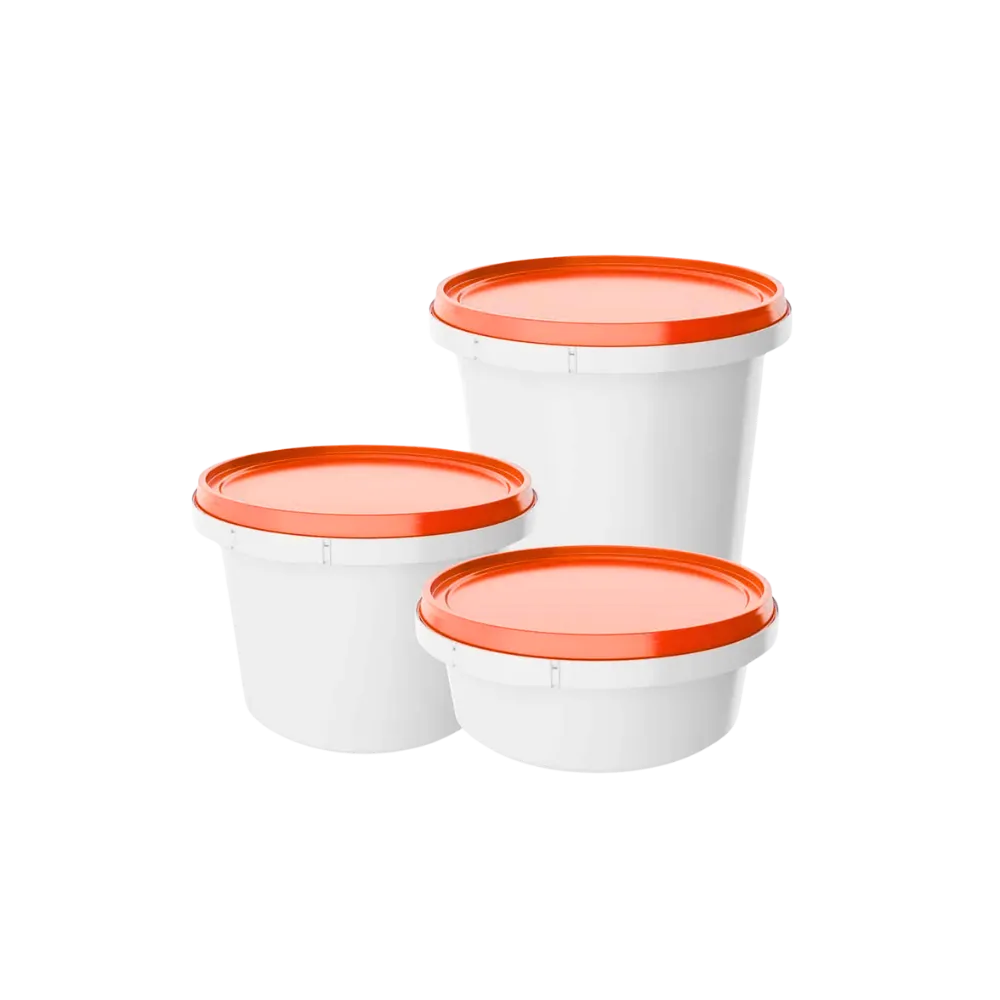
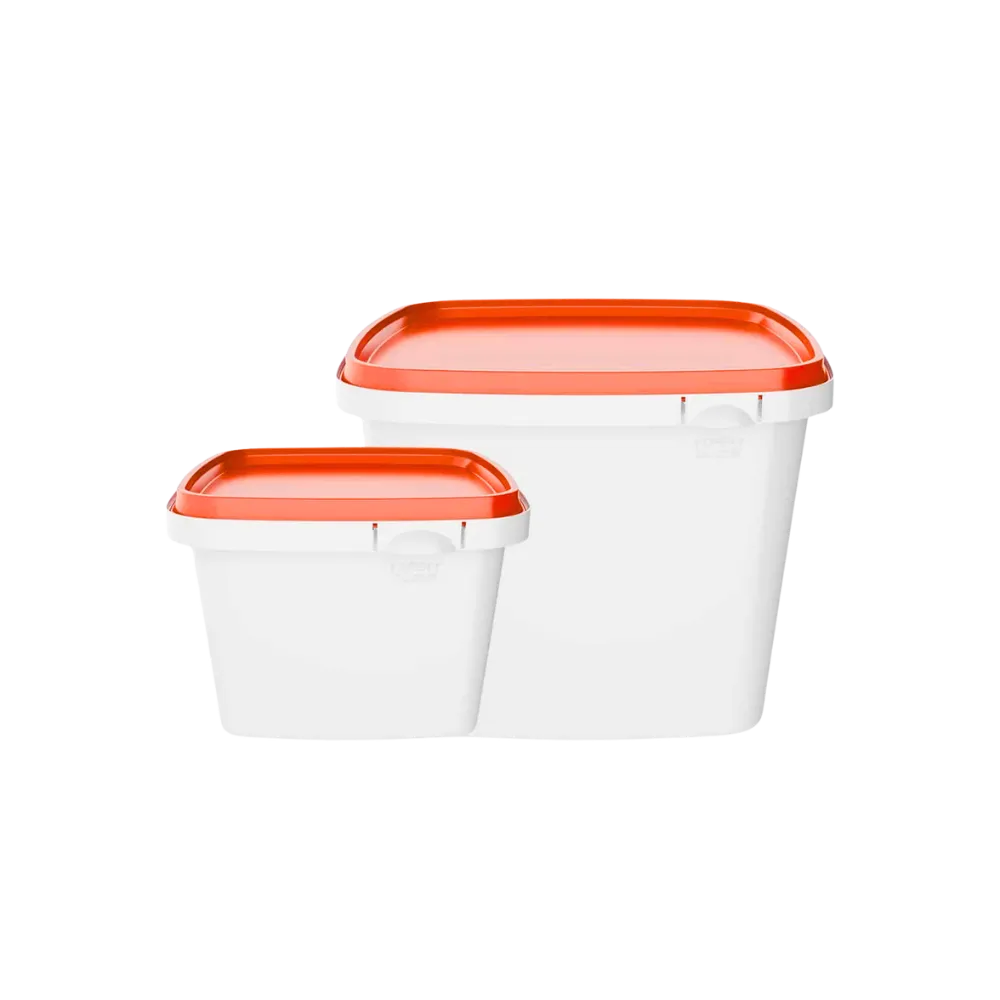
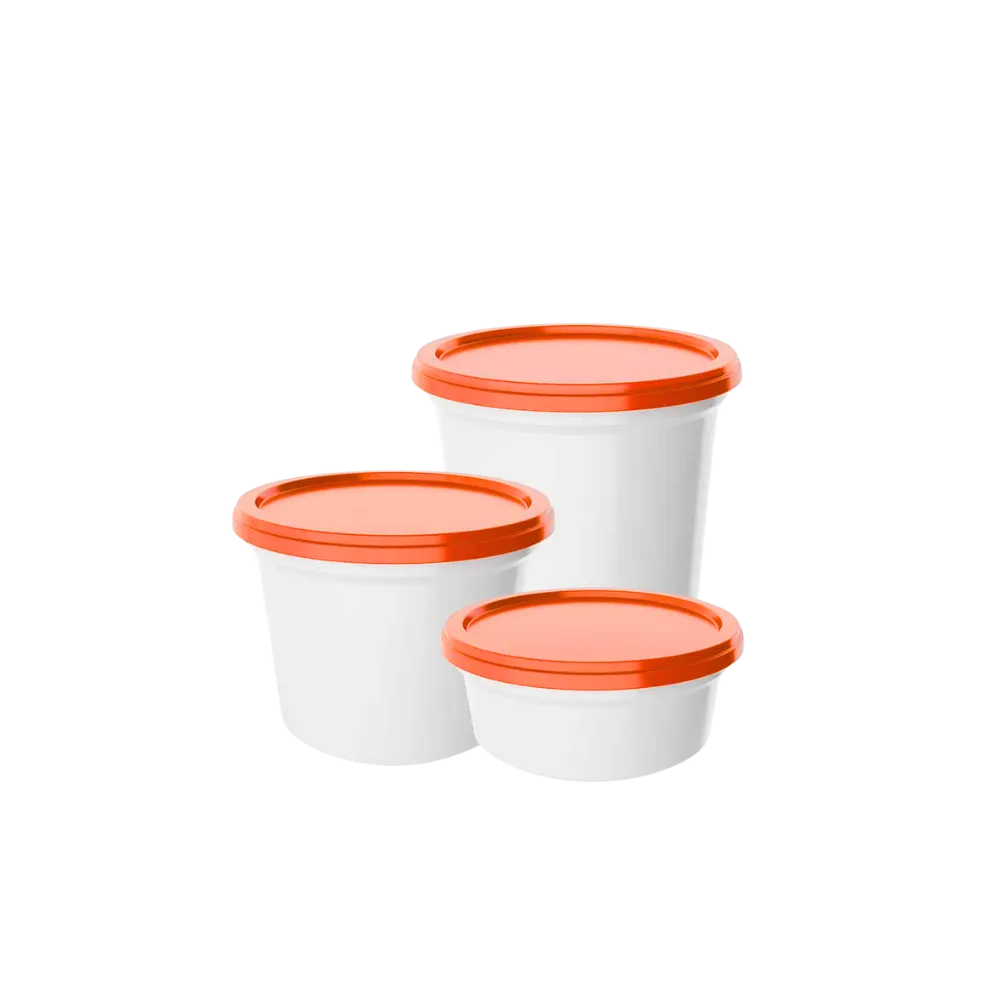
Plastiques Horizon makes, for example, Square Tamper-Evident containers from 8 to 48 oz with two lid sizes, Round Film Seal containers that share one universal 409 lid and fit existing 409 fill-and-seal lines, and Heavy-Duty Deli containers. Every format is polypropylene, sold blank or decorated with IML at our plant in Saint-Lazare-de-Bellechasse, Québec. If you are moving supply from the US, see Made in Canada. Lead times and quantities are confirmed with your quote: contact us or call 1-877-630-4095.
Frequently asked questions
How long does it take to switch food container suppliers?
It depends on whether the new supplier already makes your format, how long your line trials and shelf-life checks take, and whether a mold has to be transferred. Plan the timeline around your inventory and your qualification steps, and confirm the supplier’s lead time with the quote.
Do I need to tell my current packaging supplier I am switching?
Check your supply agreement for notice periods, minimum commitments and any obligations on tooling. If you own a mold at the current supplier, you will need to arrange its release. Keeping the relationship cordial also helps if you want parallel supply during the transition.
Can I mix containers from two suppliers on the same line?
Only after testing. Containers that share a nominal size can still differ in rim profile, stacking height or lid fit. Confirm interchangeability on a line trial before mixing stock, and keep lots identified so you can trace each container back to its supplier.
What is a letter of guarantee for food packaging?
A letter of guarantee is a signed supplier statement that a packaging material is food grade and complies with Division 23 of the Food and Drug Regulations. CFIA guidance says it should include the supplier’s name, date of issue, product description and signature.
Sources
External references consulted for this article. General information only, not legal or regulatory advice.
- Incoming ingredients, materials and non-food chemicals · Canadian Food Inspection Agency
- Packaging materials · Health Canada
- Matériaux d’emballage · Santé Canada