Short answer
Transferring injection molds to Canada moves production of a container you already own the tooling for out of the cross-border supply chain. At Plastiques Horizon, a transferred mold is reviewed for press compatibility, inspected on arrival, proven out in a trial run and approved by you, while your current molder keeps supplying in parallel until you sign off.
Key points
- Owning an injection mold means you can choose where your container is produced, and a mold transfer is how you exercise that choice.
- Cross-border container supply carries freight, customs brokerage, exchange-rate exposure, possible duties and extra safety stock that a Canadian molder takes out of the equation.
- Plastiques Horizon checks each mold against its Sumitomo presses and Wittmann IML robotics before anything ships, so compatibility is confirmed mold by mold.
- A parallel-supply period with your current molder means your filling line never waits on the transfer.
- If you do not own a custom mold, matching your container to one of the six Plastiques Horizon product lines can be faster than a transfer.
Why move a mold you already own?
An injection mold is the steel tool that gives a container its shape. If your company paid for that tool, it is a portable asset: it can run in any press it fits, at any molder you choose. Many Canadian food processors and brands own molds that run at a US molder because that is where the container was first developed, not because that is still the best place to make it.
Every pallet that comes from a US plant crosses a border. That crossing adds cost components that do not appear on the unit price: cross-border freight, customs brokerage, the exchange rate on a US-dollar invoice, duties or surtaxes where they apply, and the risk of a delay at the border turning into a delay on your filling line. A longer supply chain also pushes most buyers to hold more safety stock.
Trade rules can change with little notice, and whether a given product is affected is a question for your customs broker, not for a packaging supplier. What a mold transfer does is remove the question for that container: once the mold runs in Québec, the container is bought and shipped inside Canada. To put numbers on your own situation, use the landed cost calculator or read our guide to landed cost of imported packaging.
What does Plastiques Horizon bring to a transferred mold?
Plastiques Horizon is a Québec manufacturer of injection-molded polypropylene (PP) food containers. The plant is at 311 Rte 279 in Saint-Lazare-de-Bellechasse, southeast of Québec City, and ships across Canada. The facts below are the ones that matter when you are deciding where your mold should run.
| What you need | What Plastiques Horizon offers |
|---|---|
| Presses your mold can run in | Sumitomo injection molding presses; compatibility is confirmed mold by mold during the review |
| Decoration | Wittmann IML robotics for in-mold labeling, if your mold and its label interface are compatible |
| Food packaging focus | Polypropylene food containers from FDA, USDA and CFIA compliant materials, BPA-free, resin code 5 |
| Proof before production | Inspection on arrival, trial run, first-article samples you approve on your own line |
| Continuity of supply | Your previous molder can keep supplying in parallel until you sign off |
| Service | Sales and support in English and French, Monday to Friday, 8:00 to 17:00 Eastern |
If your container is decorated, the in-mold labeling (IML) capability matters. With IML, a printed label is placed in the mold by a robot and the container is molded around it, so the decoration is part of the wall rather than a label applied later. A transferred IML mold needs a label-handling interface that works with Plastiques Horizon’s Wittmann robotics; that is checked in the compatibility review.
How does a mold transfer to Plastiques Horizon work?
The mold transfer process has six steps. Each one ends with something you can check before the next begins.
- Send your mold information: drawings or 3D files, part samples, resin grade, cycle time, number of cavities, the press tonnage the mold runs on, and any hot runner or IML robot interface.
- Press compatibility review: the mold is checked against clamp tonnage, platen size, tie-bar spacing, shot size, hot runner and robot connections. You get a clear yes, or a list of what would need to change.
- Logistics: crating, transport and customs paperwork are planned with you and your customs broker, around your last production run.
- Inspection and maintenance on arrival: the mold is inspected, cleaned and its condition documented before it goes in a press.
- Trial run and first-article samples: the mold is run, parts are measured, and you receive first-article samples to approve on your own filling and sealing line.
- Production: after your approval, production is scheduled to your forecast.
For the full list of documents to prepare, see the injection mold transfer checklist.
How do you avoid a gap in supply during the transfer?
The biggest worry in any mold transfer is running out of containers while the tool is in transit or being proven out. Two practices handle it. First, plan a final production run with your current molder to build stock before the mold ships. Second, if you have more than one mold or another qualified source, keep that supply running until the first-article samples from the transferred mold are approved.
Is a mold transfer always the right move?
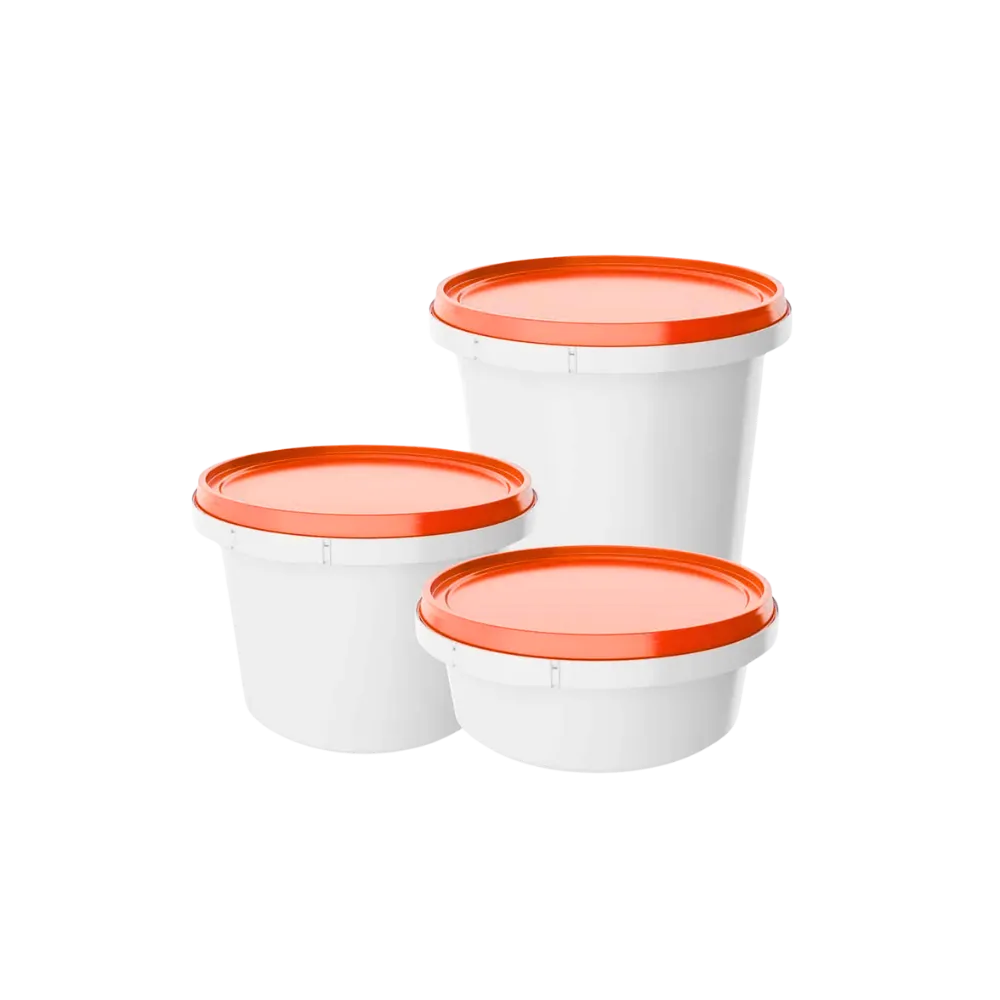
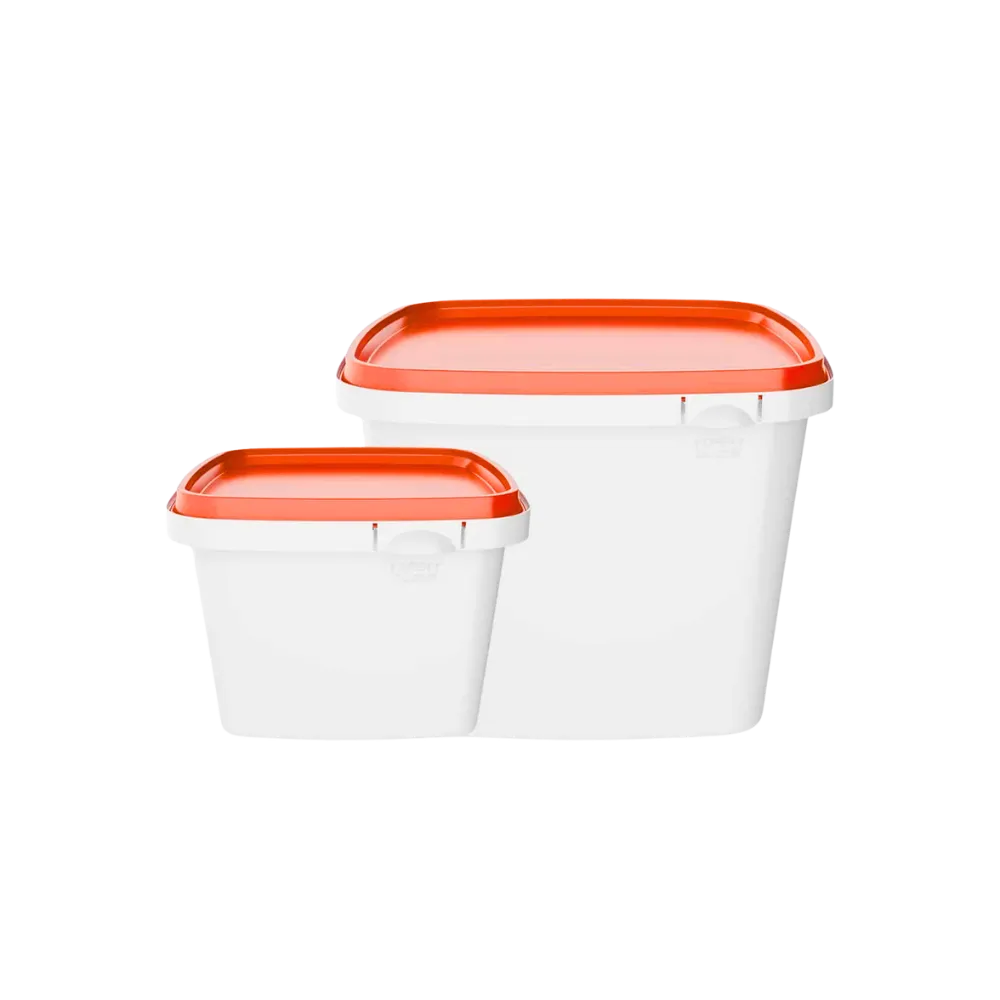
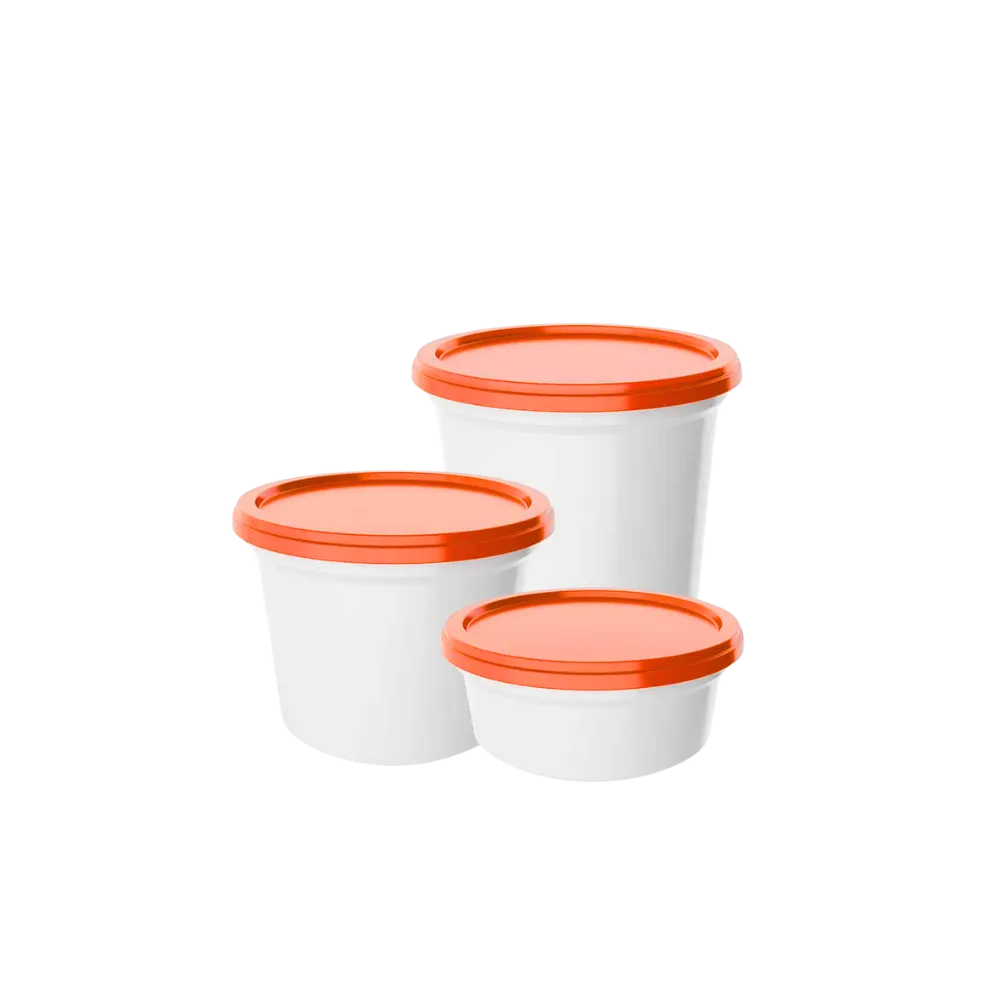
Not always. A transfer makes sense when you own a custom mold, the container is still in demand and the mold is in good condition. If the container is a standard shape, matching it to an existing format can be simpler: Plastiques Horizon runs six product lines, including Round Film Seal containers that share one 409 diameter across five sizes, and every format is sold blank or decorated with IML.
Transferring your own mold
Pros
- Your container stays exactly as your customers and your filling line know it.
- No new tooling investment if the mold is compatible and in good condition.
- Packaging moves out of the cross-border supply chain for that item.
- Decorated containers can move too, if the IML interface is compatible.
Cons
- Requires a compatibility review; some molds need changes or will not fit.
- Needs planning for transport, customs paperwork and a stock build.
- Ownership must be clear and the current molder must release the mold.
- An older mold may need maintenance before it runs well anywhere.
Before you ask your current molder to release a tool, make sure the paperwork shows who owns it. Our guide on who owns an injection mold explains what to look for.
What should you confirm before deciding?
- That you own the mold, in writing, and that there are no unpaid invoices that could delay its release.
- The mold’s condition and maintenance history, and whether spare parts or inserts travel with it.
- The annual volume and target start date, so production can be scheduled.
- Lead times, pricing and minimum quantities, which Plastiques Horizon confirms with your quote rather than publishing in advance.
- Whether duties, surtaxes or other border measures apply to your current supply, which your customs broker can confirm.
Start a mold transfer with Plastiques Horizon
Plastiques Horizon molds polypropylene food containers in-house in Québec on Sumitomo presses, with Wittmann robotics for in-mold labeling. If you own a mold for a food container and want it running in Canada, send drawings, a part sample or a description through the contact page, or call 1-877-630-4095. The sales team will tell you whether the mold fits and what the transfer involves. You can also read more about injection molding at our plant or browse the product catalogue to see whether a stock format could replace your container.
Frequently asked questions
Can a Canadian molder run a mold that was built in the United States?
Often, yes. A mold built in the United States can run in a Canadian plant if it fits the molder’s presses: clamp tonnage, platen size, tie-bar spacing, shot size and hot runner or robot connections. Plastiques Horizon confirms this in a compatibility review before the mold ships.
Does Plastiques Horizon take ownership of a transferred mold?
No. Mold ownership stays exactly as it is in your agreement, and Plastiques Horizon confirms the terms in writing before the transfer. Moving a mold to a new plant changes where it runs, not who owns it.
Who handles customs when an injection mold crosses into Canada?
The importer of record is responsible for declaring the mold to the Canada Border Services Agency, usually through a licensed customs broker. Plastiques Horizon plans crating, transport and the paperwork with you and your broker, but the customs treatment of the mold is for your broker to confirm.
How long does an injection mold transfer take?
The duration depends on the mold’s condition, transport distance, the compatibility review and how quickly your team approves first-article samples. Plastiques Horizon gives you a timeline with your quote, and a parallel-supply period with your current molder protects you while it runs.
Sources
External references consulted for this article. General information only, not legal or regulatory advice.
- Guide to importing commercial goods into Canada · Canada Border Services Agency
- Select the duties and taxes that apply · Canada Border Services Agency
- Licensed customs brokers · Canada Border Services Agency
- Daily exchange rates · Bank of Canada