Short answer
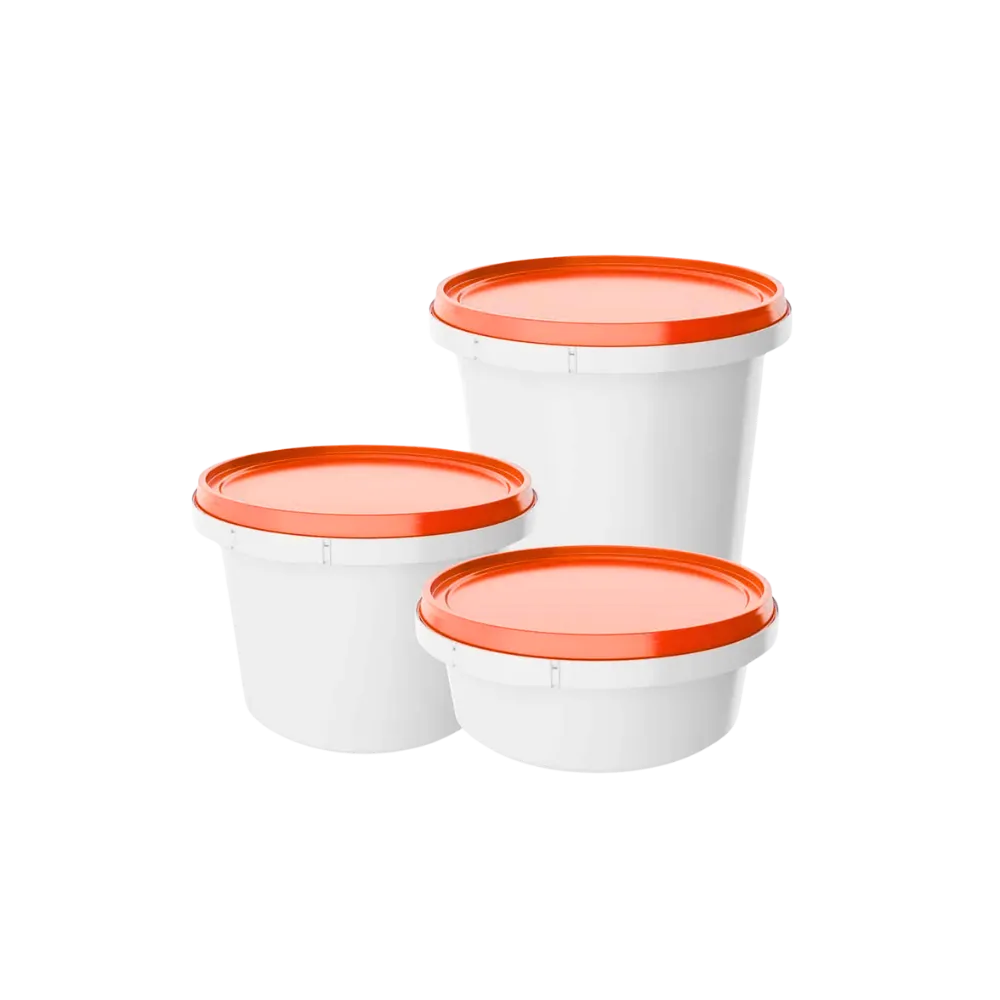
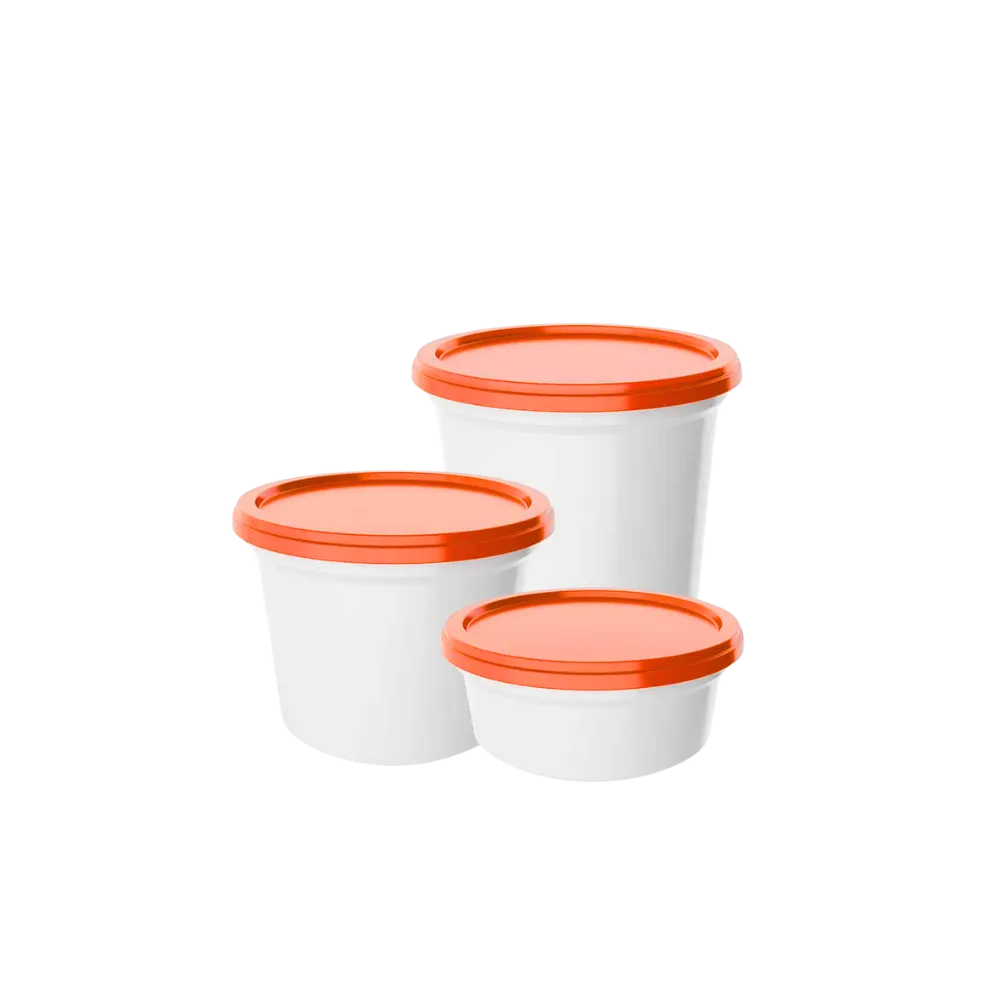
Thin wall packaging is rigid plastic packaging, such as tubs, cups, deli containers and lids, injection molded with walls that are very thin compared with the distance the molten plastic must flow to fill them. Thin wall packaging is usually made of polypropylene in multi-cavity molds on fast presses, and is used for dairy, deli, spreads and ready meals because it is light, stackable and economical.
Key points
- Thin wall packaging is defined by a high flow-length-to-wall-thickness ratio, not by one fixed thickness.
- Polypropylene is the usual resin because it flows well in thin sections and is suited to food contact.
- Thin walls cool faster, so cycles are short, but molding them requires fast injection and precise molds.
- Design features such as ribs, rims and stacking details keep thin-wall containers strong while staying light.
- Thin wall and heavy-duty containers serve different jobs: retail packaging versus repeated handling.
What makes packaging "thin wall"?
There is no single official thickness that turns a container into "thin wall" packaging. Molders and equipment makers describe thin wall parts by their flow-path ratio (also called the L/T ratio): the distance from the gate to the farthest point of the part (L) divided by the wall thickness (T). The higher the ratio, the harder it is for the melt to fill the part before it freezes.
Machine maker ENGEL describes thin wall molding as suited to "high or extreme flow-path to wall-thickness ratios", and Husky lists dairy and deli containers, margarine and spread tubs, ready-meal and soup containers and food container lids as typical thinwall packaging. Thresholds quoted in the industry vary, so treat any single number as a rule of thumb.
Why is polypropylene the usual material for thin wall packaging?
Polypropylene (PP, resin identification code 5) is widely used for thin wall food tubs and lids. Molten PP flows well in thin sections; MIT course notes give PP a rule-of-thumb flow-path ratio of 150 to 280. Solid PP is light, resists moisture, fats and many food acids, and can be formulated for food-contact use.
A thin wall container made entirely of PP, including a polypropylene in-mold label, is a single-material package. Whether that package is accepted for recycling depends on the local program; we cover this in is IML packaging recyclable.
How is thin wall packaging molded?
Thin wall packaging is made by injection molding, but it pushes the process harder than most parts. Because the melt has to travel a long way through a narrow wall, it must be injected very quickly and at high pressure, before it starts to freeze against the cold steel.
- Fast injection: high-speed injection units fill the cavity in a fraction of a second.
- Short cooling: cooling time grows roughly with the square of wall thickness, so thin walls cool quickly and cycles are short.
- Multi-cavity molds: several cavities, sometimes in stack molds, multiply output per cycle.
- Hot runners: heated manifolds deliver melt to each cavity without a solid runner to separate.
- Precise steel: small differences between core and cavity show up as uneven walls, so mold alignment and maintenance matter.
- In-mold labeling (IML): robots can place a printed label in the mold so the container comes out decorated, with no secondary labeling step.
How do designers keep thin wall containers strong?
A thin wall container gets its strength from geometry more than from plastic mass. Designers keep the nominal wall as uniform as possible, because uneven walls cool at different rates and can warp, then add stiffness exactly where the container needs it.
- Rims: a thicker or folded rim resists squeezing and gives the lid a firm seat.
- Ribs and steps: shallow ribs or a stepped side wall stiffen the wall without thickening it.
- Stacking features: lugs or shoulders stop nested containers from jamming together and spread the load in a stack.
- Base shape: a domed or ribbed base resists bulging when the container is full.
- Lid design: a lid that locks onto the rim adds rigidity to the whole package once it is closed.
When you compare containers from different suppliers, judge them filled and closed, under your own stacking and shipping conditions, rather than by how stiff an empty container feels in the hand.
Which foods use thin wall containers?
| Format | Typical foods | Common closure |
|---|---|---|
| Round tubs and cups, 8 to 32 oz (250 ml to 1 L) | Yogurt, cottage cheese, dips, spreads, salads | Snap-on lid, often with tamper evidence |
| Round film seal containers | Dairy, dips and sauces filled on automatic lines | Heat-sealed film plus an overcap lid |
| Square containers | Spreads, portion packs, retail display | Snap-on lid |
| Rectangular containers | Ready meals, deli, meal prep | Snap-fit lid |
| Lids | All of the above | Molded to match the container rim |
Thin wall or heavy-duty: which do you need?
Thin wall is not automatically the right choice. A container used once in retail has different needs from one that is handled repeatedly in a commercial kitchen. Many catalogues therefore offer both thin-wall and thicker-wall lines.
Thin wall containers
Pros
- Less plastic per container, which lowers weight and resin use
- Short molding cycles and high output
- Light to ship and easy to stack and nest
- Well suited to IML decoration for retail shelves
Cons
- Less rigid under heavy handling than thicker-wall containers
- Stacking strength depends on design features such as ribs and rims
- Requires precise molds and fast presses to produce consistently
If your containers will be reused, carried around a deli counter or filled with heavy products, compare a thin wall format with a thicker-wall option before you decide. Ask for samples of both and test them on your own line.
Thin wall containers from Plastiques Horizon
Plastiques Horizon molds polypropylene food containers in Saint-Lazare-de-Bellechasse, Québec. The Round Tamper-Evident line comes in five formats from 8 oz (250 ml) to 32 oz (1 L) and is engineered to be economical and lightweight with no compromise on its reinforced structure. The tamper-evident rim shows at a glance whether a container has been opened.
The Round Film Seal line offers 8, 12, 16, 24 and 32 oz formats that share the same 409 diameter, so one overcap lid fits all five and the containers run on existing 409 fill-and-seal lines. Its reduced weight makes it an economical choice. For deli counters and food service, Plastiques Horizon also offers the same bodies with a leakproof lid as Heavy-Duty Deli containers. Every format is available blank or with in-mold labels. Wall specifications are confirmed with your quote: contact us or call 1-877-630-4095 to request samples.
Frequently asked questions
How thin is a thin wall container?
There is no single official threshold for a thin wall container. The term describes a wall that is thin relative to how far the plastic must flow, measured as the flow-length-to-thickness (L/T) ratio. Actual wall thickness varies by format and design, so ask the manufacturer for the specification of the specific container you are considering.
Are thin wall containers strong enough to stack?
Thin wall containers are designed to stack, with strength coming from geometry such as reinforced rims, ribs and stacking features rather than from wall thickness alone. Stacking performance depends on the product, fill weight and storage conditions, so test filled samples under your own pallet and warehouse conditions.
Is thin wall packaging the same as disposable packaging?
Thin wall packaging is designed mainly for single-trip retail and food service use, but many polypropylene thin wall containers are sturdy enough for consumers to reuse at home. Reuse claims such as dishwasher or microwave safety must be confirmed for each specific product, since they vary by line.
Can thin wall containers be decorated?
Yes. Thin wall polypropylene containers can be decorated with in-mold labels (IML), which are placed in the mold and fused to the wall during molding. They can also carry pressure-sensitive labels or shrink sleeves applied after molding. IML is common on retail tubs because no separate labeling step is needed.
Sources
External references consulted for this article. General information only, not legal or regulatory advice.
- Solutions for thin wall injection molding · ENGEL
- Thin Wall Injection Molding: Food Packaging · Husky Technologies
- 2.008 Injection Molding (lecture notes) · Massachusetts Institute of Technology