Short answer
Polypropylene (PP, resin code 5) is considered safe for food contact when the specific resin grade meets food-contact rules. In the United States, polypropylene is listed under 21 CFR 177.1520 (olefin polymers). In Canada, section B.23.001 of the Food and Drug Regulations bans packaging that may transfer harmful substances to food. Polypropylene is not made from bisphenol A (BPA).
Key points
- Polypropylene is a food-contact plastic listed by the US FDA under 21 CFR 177.1520, the regulation for olefin polymers.
- In Canada, section B.23.001 of the Food and Drug Regulations makes the food seller responsible for packaging that cannot transfer harmful substances to food.
- Health Canada reviews packaging materials on a voluntary basis and issues letters of no objection, which are opinions, not legal approvals.
- Bisphenol A is used to make polycarbonate and some can-lining resins, not polypropylene.
- A food-safe resin does not make every use safe: heat, freezer and dishwasher claims belong to the specific container, not to "PP" in general.
What is polypropylene (PP)?
Polypropylene (PP) is a thermoplastic made by polymerizing propylene. Containers made from it are marked with resin identification code 5, the number inside the recycling triangle. PP is one of the most common plastics for food packaging: yogurt and margarine tubs, deli and takeout containers, bottle caps and closures are typical uses.
Polypropylene suits food packaging because it has good chemical resistance, low moisture vapour transmission and a high melting point compared with polyethylene. That high melting point is the reason PP is widely used for hot-fill products. PP also molds well in thin walls, which is why it dominates injection-molded food containers.
Is polypropylene approved for food contact in the United States?
Yes. The US Code of Federal Regulations covers polypropylene in 21 CFR 177.1520, "Olefin polymers". The section says the listed olefin polymers "may be safely used as articles or components of articles intended for use in contact with food", provided they meet its specifications.
Those specifications are measurable. For basic polypropylene (item 1.1a), the regulation sets a density range, a melting point of 160 to 180 °C and maximum fractions that can be extracted by n-hexane and xylene. The table entry for item 1.1a carries no restriction on food type or conditions of use, unlike several other olefin polymers in the same section (21 CFR 177.1520).
A compliance claim always applies to a specific resin grade and formulation. Colourants, additives and other components used in a finished container also need to be permitted for food contact, which is why buyers ask suppliers for a written statement covering the material actually used.
How does Canada regulate plastic food packaging?
Canada does not keep a mandatory approval list for most food packaging. The core rule is section B.23.001 of the Food and Drug Regulations: no person shall sell any food in a package that may yield to its contents any substance that may be injurious to the health of a consumer of the food (Justice Laws). The legal responsibility sits with the seller of the food.
Health Canada’s Food Directorate assesses packaging materials on a voluntary basis. When it finds no concern for the intended use, it issues a letter of no objection (LONO). Health Canada states that these letters do not constitute approvals in a legal sense, and that they have no expiry date as long as the composition and intended use stay the same (Health Canada). Packaging for infant formula and some other foods has additional requirements.
For food businesses licensed under the Safe Food for Canadians Regulations, the Canadian Food Inspection Agency (CFIA) suggests keeping proof on file: a Health Canada LONO for the material, a letter of guarantee from the supplier, or a letter of acceptance previously issued by the CFIA (CFIA guidance).
| Jurisdiction | Main rule | What a buyer usually asks for |
|---|---|---|
| United States (FDA) | 21 CFR 177.1520, olefin polymers (polypropylene item 1.1a) | Supplier statement that the resin and additives comply with the applicable FDA regulations |
| Canada (Health Canada) | Food and Drug Regulations, Division 23, section B.23.001 | A letter of no objection for the material, if one exists |
| Canada (CFIA, SFCR licence holders) | Preventive control plan must cover packaging materials | LONO, supplier letter of guarantee, or a previous CFIA letter of acceptance |
Is #5 polypropylene BPA-free?
Polypropylene is not made with bisphenol A. Health Canada describes BPA as an industrial chemical used to make polycarbonate, a hard, clear plastic, and as an ingredient in some resins that line metal food and drink cans (Health Canada, BPA). PP is built from propylene, so BPA is not one of its building blocks.
Health Canada’s consumer advice is to look for code 7 or the letters "PC" when checking whether a container may contain BPA. A container marked with code 5 is polypropylene. Plastiques Horizon lists its Round Tamper-Evident, Square Tamper-Evident and Round Film Seal lines as BPA-free.
When can a polypropylene container be used the wrong way?
A food-safe resin is the starting point, not the whole answer. How the container is used matters as much as what it is made of.
- Heat beyond the intended use. Health Canada advises using only containers labelled microwave safe and warns that some plastic containers can melt or warp when heated. Microwave, dishwasher and freezer claims are made per product. See which containers are microwave and freezer safe.
- Reuse of single-use packaging. A tub designed for one fill is not tested for repeated washing and reheating.
- Damaged containers. Health Canada advises avoiding plastics that are visibly damaged, stained or have an unpleasant smell.
- Recycled content of unknown origin. Post-consumer recycled plastic in direct food contact needs its own assessment; virgin food-grade resin avoids that question.
Decoration is a separate question. With in-mold labeling (IML), the label sits on the outside of the container wall, and the label film is itself polypropylene, so the decorated container stays a single material. Read more in how polypropylene compares with PET.
What documents should a food processor ask a container supplier for?
- A statement of the resin type and grade, and its compliance with 21 CFR 177.1520 for US-bound products.
- For Canada, a Health Canada letter of no objection covering the material if one exists, or a supplier letter of guarantee for your preventive control plan.
- The product’s stated use conditions: microwave, dishwasher, freezer, hot fill.
- Confirmation of any recycled content and of the inks or labels used for decoration.
Regulatory detail for Canada is covered in our guide to food packaging regulations in Canada. This article is general information, not legal advice; confirm requirements for your product with a regulatory specialist.
Polypropylene containers from Plastiques Horizon
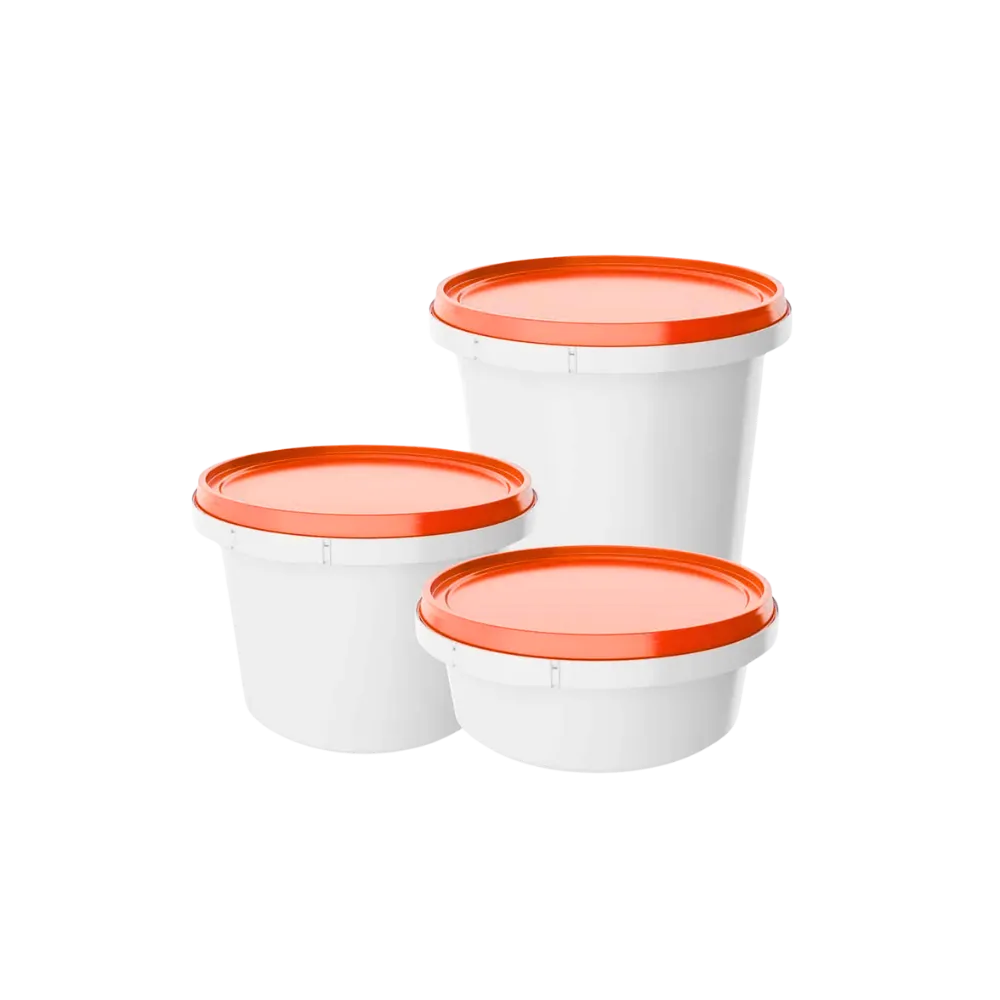
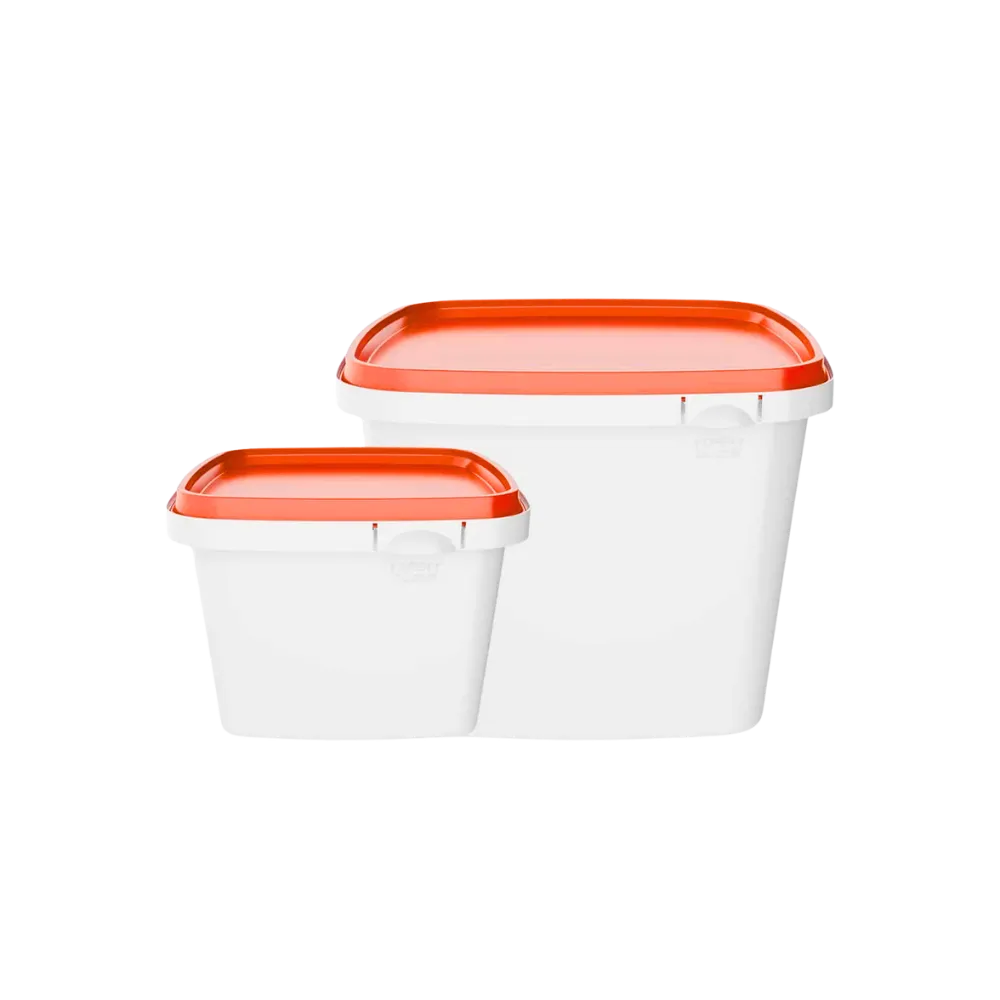
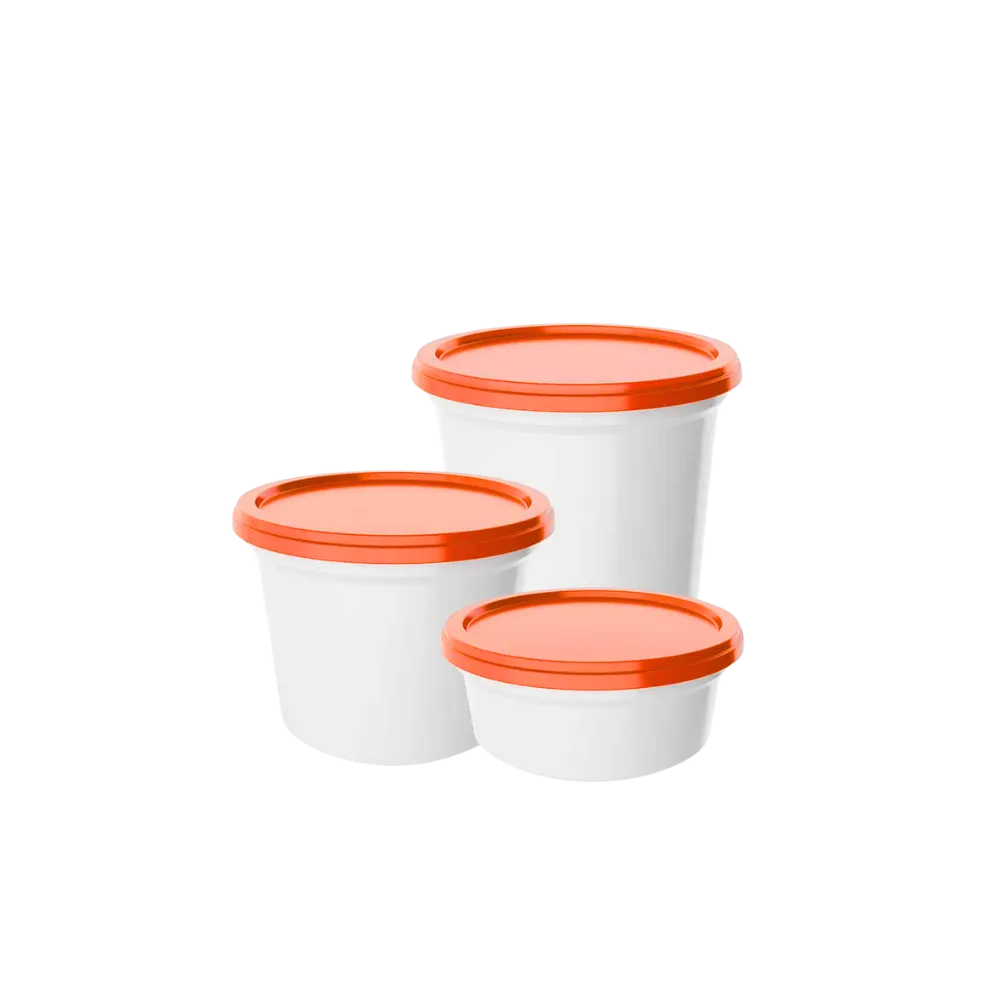
Plastiques Horizon molds all six of its product lines in polypropylene, lid and body, from FDA, USDA and CFIA compliant materials, at its plant in Saint-Lazare-de-Bellechasse, Québec. The range covers tamper-evident, film seal, rectangle and heavy-duty deli containers from 8 oz (250 ml), plus Tamper-Evident Buckets up to 5.5 L. Every format is sold blank or decorated with in-mold labels.
Use conditions are stated line by line: the Round Tamper-Evident line is dishwasher, microwave and freezer safe, and the Rectangle line is freezer safe. For the compliance documents your quality team needs, ask our sales team and we will confirm what we provide with your quote. Browse all products or call 1-877-630-4095.
Frequently asked questions
Is polypropylene safe for hot food?
Polypropylene has a higher melting point than polyethylene, and the FDA specification for basic polypropylene requires a melting point of 160 to 180 °C. That is why PP is used for hot-fill and microwave containers. Whether a specific container can take hot food or reheating depends on its design and testing, so follow the use conditions stated by the manufacturer.
Does Health Canada approve plastic food containers?
Health Canada does not approve most food packaging in a legal sense. It offers a voluntary pre-market assessment and issues letters of no objection when it finds no safety concern for the intended use. The legal responsibility, under section B.23.001 of the Food and Drug Regulations, remains with the person selling the food.
What does the number 5 on a plastic container mean?
The number 5 inside the triangle is the resin identification code for polypropylene (PP). The code identifies the plastic so that it can be sorted; it is not a safety rating and does not by itself mean the item is recycled where you live. Food-contact safety depends on the resin grade and its regulatory compliance.
Are in-mold labeled polypropylene containers food safe?
In in-mold labeling, a printed polypropylene label is placed in the mold and fused to the outside of the container wall as the part is molded. The food contacts the container’s inner wall, not the printed face of the label. As with any packaging, ask the supplier to confirm the compliance of the resin, label film and inks.
Sources
External references consulted for this article. General information only, not legal or regulatory advice.
- 21 CFR § 177.1520 Olefin polymers · Legal Information Institute, Cornell Law School
- Food and Drug Regulations, Division 23: Food Packaging Materials (B.23.001) · Justice Laws Website, Government of Canada
- Règlement sur les aliments et drogues, titre 23 : Matériaux à emballer les denrées alimentaires (B.23.001) · Site Web de la législation (Justice), gouvernement du Canada
- Packaging Materials · Health Canada
- Matériaux d’emballage · Santé Canada
- Guidance for Food Establishments Concerning Construction Materials and Packaging Materials and Non-Food Chemicals · Canadian Food Inspection Agency
- Bisphenol A (BPA) · Health Canada